SDS2 Plugins

Python‑powered add‑in for SDS2 auto‑creates custom BRB members & mass‑applies connections, cutting AmFab Steel’s detailing time

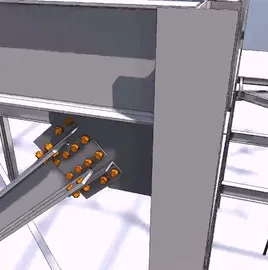
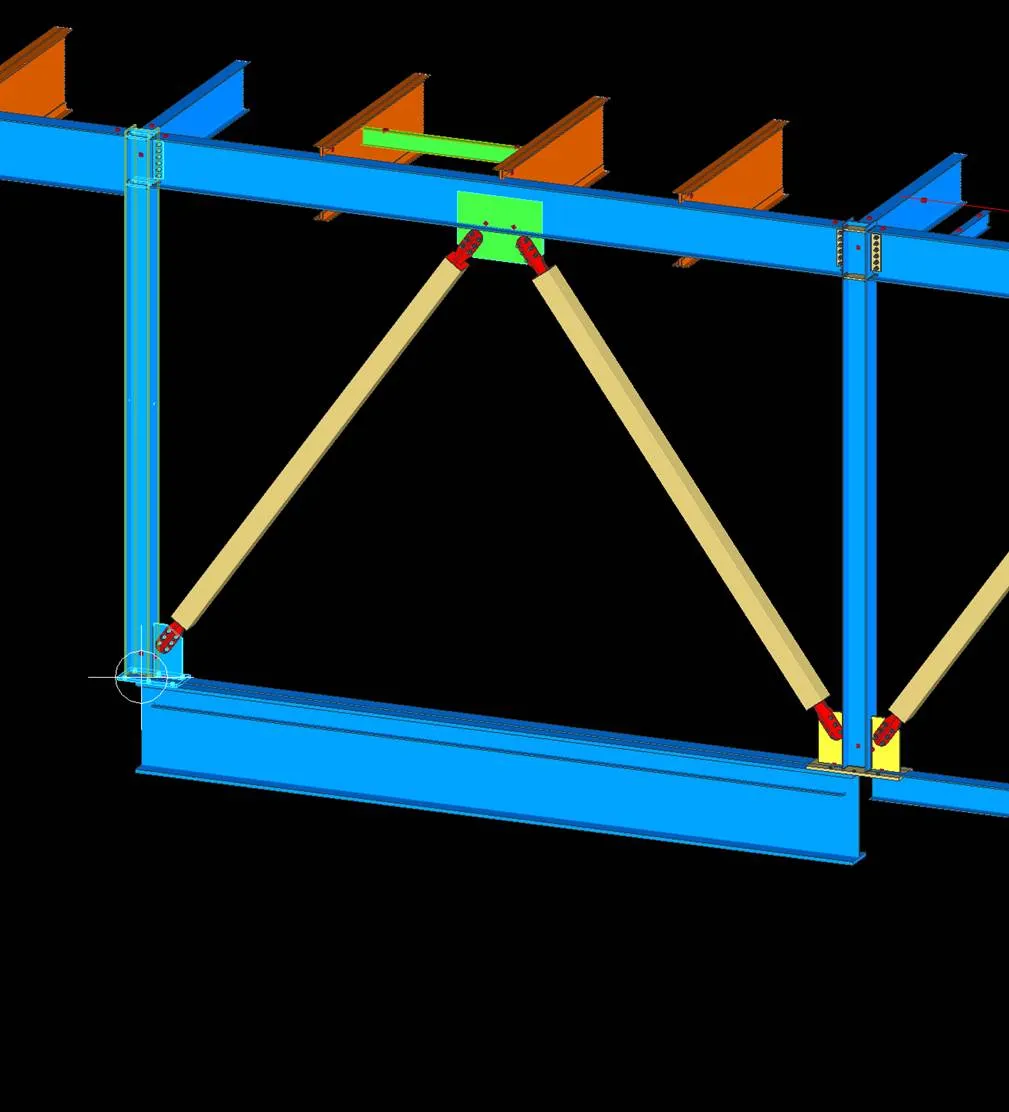
SDS2 3D model of a steel frame with buckling-restrained brace members and connections

Quick Facts

Technologies:
Python
Platform:
Windows
Status:
Deployed (internal application)
Client:
Amfab Steel
Industry:
Structural & Steel Fabrication / Building Information Modeling (BIM)

Overview

Automated BRB Connections Toolkit for SDS2. AmFab Steel is a U.S. fabricator specializing in seismic-resistant structures and large commercial projects. Its detailers spent dozens of project hours applying buckling-restrained brace (BRB) members and their connections one node at a time.

Apps By TAP built a Python-powered SDS2 add-in that auto-creates custom BRB members and mass-applies shop-standard connections, cutting AmFab’s detailing time and the RFIs caused by inconsistent details.

The Challenge

  • Repetitive manual work: Applying BRB members and their associated connections one node at a time consumed dozens of project hours.
  • Custom geometry requirements: Standard SDS2 libraries did not include BRB profiles and gusset details.
  • Human-error risk: Inconsistent bolt patterns and plate-thickness selections led to costly RFI cycles.

Our Approach

Custom BRB member definition

Developed in Python with the SDS2 API, the new member type encapsulates core, casing and fuse-plate attributes, allowing designers to drag and drop a fully detailed BRB.

Custom component library

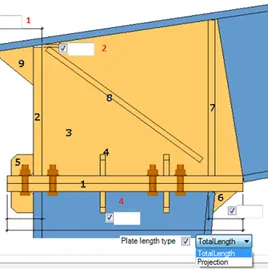
Twenty-plus pre-qualified shear and moment connections, tuned to AmFab shop standards, auto-populate bolt sizes, plate thickness and weld symbols.

Mass-apply tool

An SDS2 tool takes in the required members, filters eligible joints and applies the chosen connection or member in bulk.

Technology Stack

  • Python 2.7 – the language of the SDS2 Python API.
  • SDS2 Python API – custom members, components and tools. This is part of our Tekla & SDS2 plugins service.

Results & Impact

AmFab’s detailers now finish BRB-heavy models significantly faster, freeing capacity for higher-value engineering tasks and accelerating overall fabrication schedules. In the client’s words, detailers can now “apply hundreds of identical connections in minutes,” and “the drop in RFIs speaks for itself.”
"Before this toolkit, detailing buckling-restrained braces was a painstaking, node-by-node process that ate up valuable project hours and introduced too many chances for bolt-pattern mistakes. The Automated BRB Connections Toolkit flipped that script. Now our detailers drag-and-drop a fully engineered BRB member and apply hundreds of identical connections in minutes—with every bolt size, plate thickness, and weld symbol already aligned to our shop standards. The time we save on each seismic project goes straight to schedule float and higher-value engineering work, and the drop in RFIs speaks for itself. Put simply, this solution has become mission-critical to our BRB workflow."

Frequently Asked Questions

What is a buckling-restrained brace (BRB)?

A BRB is a steel brace used in seismic-resistant buildings. A steel core inside a casing yields in both tension and compression without buckling, absorbing earthquake energy.

What does the BRB toolkit add to SDS2?

A custom BRB member type with core, casing and fuse-plate attributes, a library of 20+ pre-qualified shear and moment connections tuned to AmFab's shop standards, and a mass-apply tool.

How does the mass-apply tool work?

It takes the required members, filters the eligible joints and applies the chosen connection or member to all of them in bulk.

What language is the toolkit written in?

Python 2.7 using the SDS2 Python API.


Ready to leverage your data for success?

Contact us for a personalized strategythat drives your business forward.

Get Started